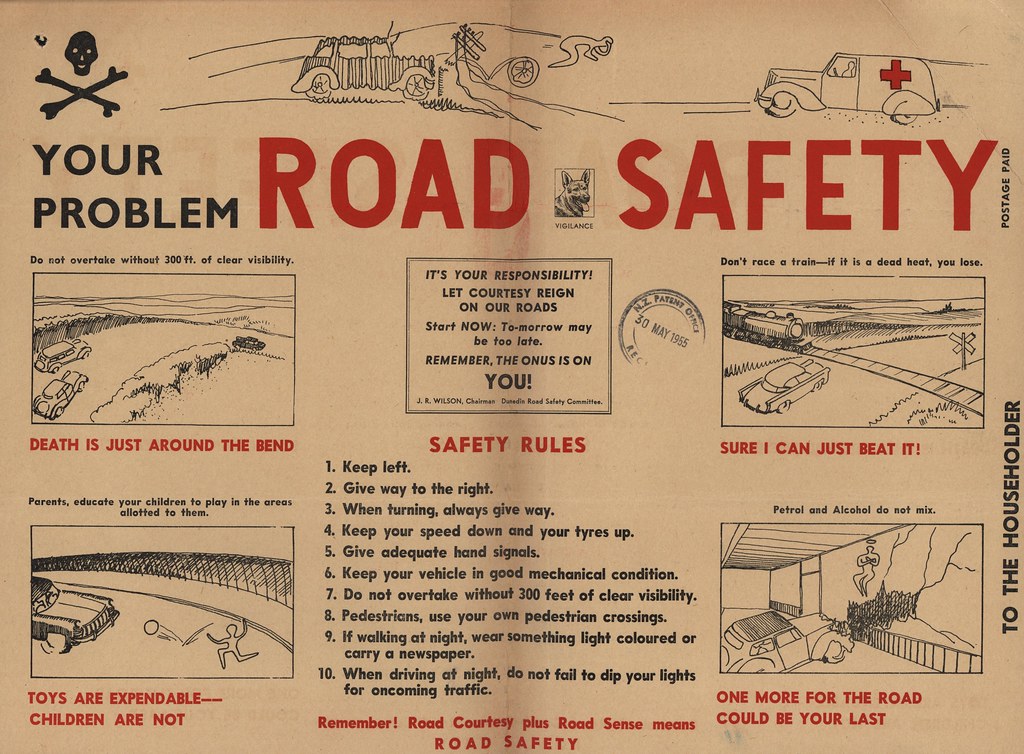
Welcome! Hope you had a great Presidents’ Day. Today we are going to be talking about some very important content for drivers in general, or for new drivers. We are going to be talking about the basic rules of the road. This will ensure safety for you as well as other drivers. Hope you enjoy, and learn something you may not of known.
1. Pedestrians always have the right away.
It is your duty while driving to avoid colliding with a pedestrian. Typically most busy intersections have a automatic crosswalk and signal to alert pedestrians of oncoming traffic. When in school zones pedestrians always have the right away no matter what.

2. If there is a car pulled over on the side of the road, get in the furthest lane away from them.
To avoid any possibly injuries, the best thing to do when a vehicle is pulled over is to get at least a one lane courtesy. This is especially true if a cop or highway patrol vehicle is pulled over and dealing with another vehicle, as well when driving on the interstate.
3. Always have your registration and drivers license on hand while driving a vehicle.
The best way to prepare for an event of being pulled over is to have your drivers license and registration on hand. This is important because the officer will need to see your license and registration in order to make sure the vehicle is yours and not stolen. Usually have them in arms length so you don’t confuse the officer of what you are grabbing for.
4. If pulled over do not get out of the car unless asked to do so.
If you get pulled over, you most likely already broke a rule of the road. It is very important to listen and follow directions from the officer. This will not only make your stop go better but it will make the situation less concerning for the officer.
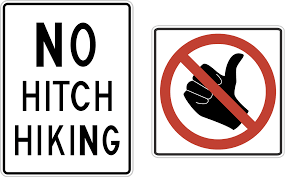
5. Hitch hiking is generally illegal in most states across the US.
Depending on the state you live in, it may or may not be legal to give a ride to a hitchhiker or to hitchhike. Not only is it illegal, but it is also very dangerous. If you don’t know the person, don’t give them a ride. They may not be safe, such as: having warrants, diseases, weapons, and etc.
6. The max limit to drive after drinking is no more then .08%
To ensure safety for yourself as well as other drivers, it is a law that you cannot legally drive if your blood alcohol content is above .08%. two to three beers an hour is the average drinking tolerance to legally drive. This also depends on tolerance, size, and alcohol content of the beer/wine cooler. You may think you are okay to drive, but your blood alcohol content may continue to rise while driving. To conclude, it’s safer just to get a ride.
7. Honking your horn is suppose to be used for emergency purposes only.
When using the horn it should only be used for emergency purposes only, such as: getting a distracted drivers attention, avoiding crashes, SOS, and etc. You should’t use your horn to: get a friends attention, tell a person to go, and using it in drive thru’s.
8. When making a turn of any sort, you should signal which way your turning 100 feet before you turn.
When preparing to make a turn you should signal around 100 feet before turning. This will let other surrounding vehicles know what way you are going. Depending on what city and state you are in, you may have to signal before 100 feet in order to get into a turning lane.
9. When two cars are coming to a uncontrolled intersection at the same time, the person on the right generally has the right away.
To help confusion for people driving at an uncontrolled intersection, when two cars stop at the same time it is best to let the person to the right go first. This will provide a safe way to go through an uncontrolled intersection. It will also help prevent with any vehicle collisions.
10. When legally passing a vehicle on a two way road, get into the returning lane 200 feet before the oncoming car passes by.
If necessary, only pass the vehicle on a straight away. Make sure that there are no hills or curves when attempting a pass. When passing, increase your speed and safely pass the vehicle in the left lane. It is important to get back into the returning lane before 200 feet of oncoming traffic. Also, give yourself three to four car lengths for the car behind you before getting back into the returning lane.
 Chan The Man's Blog
Leave a comment